Ever looked at a betting line and wondered, “How did they come up with this number?” It can feel mysterious almost like sportsbooks have a crystal ball.
In reality, betting lines are not guesses. They’re the result of data, psychology, probability, and risk management working together.
In this article, we’ll break down how sportsbooks set betting lines using real-life examples you can relate to no math degree required.
And if you’re interested in how AI and data modeling improve betting decisions, platforms like TheOver.ai focus on analyzing these exact inefficiencies.
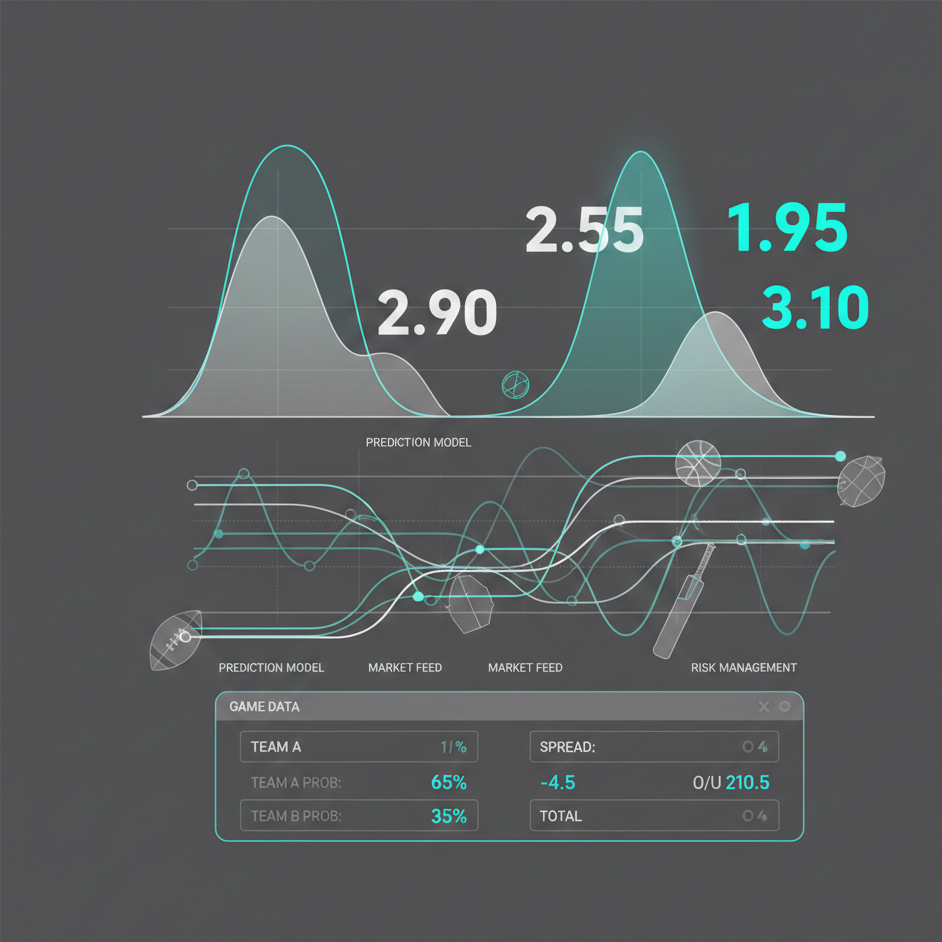
What Is a Betting Line, Really?
A betting line is a number designed to balance betting action, not to predict the future perfectly.
Think of it like this:
Imagine you’re organizing a friendly football match. You know Team A is stronger than Team B, but you want people to bet evenly on both sides. So you give Team B a small head start.
That head start is the betting line.
Sportsbooks do the same thing just with far more data and money involved.
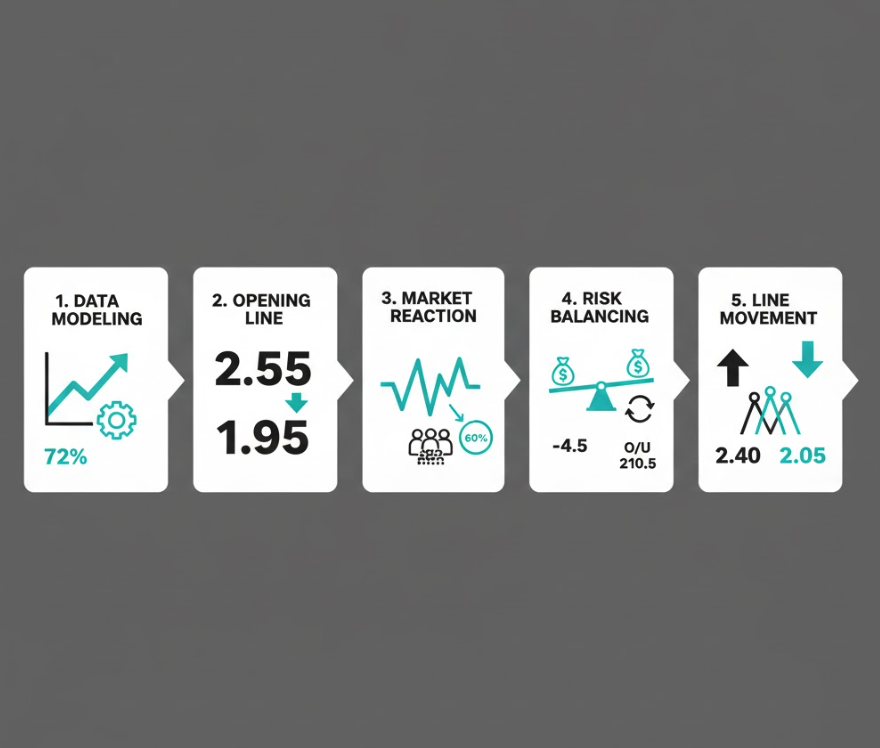
Step 1: Data Comes First (A Lot of It)
Sportsbooks begin by creating an opening line using statistical models and historical data.
Sportsbooks analyze:
- Team performance history
- Player statistics and injuries
- Home vs away records
- Weather conditions
- Schedule fatigue and rest days
Advanced algorithms convert this information into probability estimates, which are then translated into betting odds or point spreads. This opening line represents the sportsbook’s initial assessment of a fair price.
For example, if a basketball team scores an average of 110 points at home but only 102 away, that gap directly influences the point spread.
This is similar to how weather apps predict rain they don’t guess; they model probabilities.
Step 2: Sharp Bettors Shape the Line
Not all bettors are treated equally.
Sharp bettors professionals who consistently win have a huge influence on line movement.
When sportsbooks release an opening line, they closely watch how sharp money reacts.
If sharp bettors immediately bet one side heavily, the sportsbook adjusts the line.
This is why opening lines often move quickly before the public even notices.
Many elite sportsbooks openly discuss this process, including how early action impacts pricing something you can explore further through industry insights published by sharp-focused books like Pinnacle .
Step 3: Public Psychology Matters More Than You Think
Casual bettors don’t bet with spreadsheets they bet with emotions.
Sportsbooks know this.
Public bettors tend to:
- Overbet favorites
- Overvalue star players
- Chase recent wins
- Bet on popular teams
For example, if a globally famous football club is playing an average opponent, the line may be shaded slightly against the favorite because sportsbooks know most people will bet them anyway.
This isn’t unfair it’s smart business.
Step 4: The Goal Is Balance, Not Prediction
Contrary to popular belief, sportsbooks are not trying to predict the exact score.
Their real goal is simple:
Get equal money on both sides.
If that happens, the sportsbook earns from the margin (also called the vig or juice), regardless of the outcome.
It’s like a currency exchange booth they profit from the spread, not from guessing which currency will rise.
Step 5: Lines Move as New Information Arrives
Betting lines are alive.
They move when:
- A key player gets injured
- Weather conditions change
- Large bets come in
- New information becomes public
That’s why timing matters. Betting early versus late can give you very different odds.
This is also where data-driven tools and AI models like those used at TheOver.ai help identify value before lines fully adjust.
How This Is Similar to Everyday Life
Think about surge pricing in ride-sharing apps.
When demand is high and supply is low, prices increase not because the ride is better, but because behavior changes.
Sportsbooks do the same thing with betting lines.
Odds are prices. And prices always react to behavior.
Why Understanding Line Setting Gives You an Edge
Once you understand how sportsbooks set lines, you stop asking:
“Who will win?”
And start asking:
“Is this line mispriced?”
This mindset shift is critical for long-term betting success.
It’s also why professional bettors rely on probability-based approaches like expected value a concept explained clearly in resources such as Investopedia’s breakdown of betting odds and probability .
Final Thoughts
Sportsbooks don’t set betting lines to beat you they set them to manage risk.
The lines are shaped by data, sharp bettors, public psychology, and constant adjustment.
When you understand this process, betting stops feeling random and starts feeling strategic.
And when you combine that understanding with AI-powered analysis, you’re no longer guessing you’re calculating.
That’s the difference between betting and betting smart.